

 Concentric Staff
VLA (Vented Lead Acid) batteries are open systems that require regular electrolyte maintenance and dedicated ventilation. VRLA (Valve-Regulated Lead Acid) batteries are sealed with pressure valves, require no water additions, and can be installed more flexibly—but are more sensitive to overcharging and typically cost more upfront. ce formatting within your module.
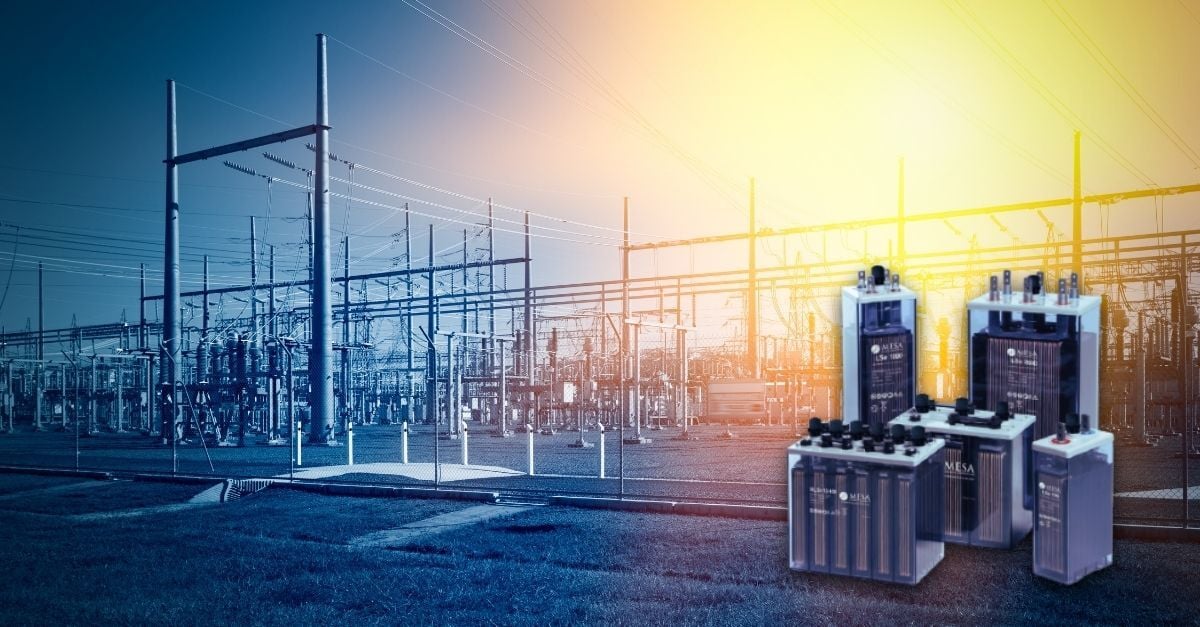
In the utility industry, three battery chemistries dominate backup power systems: Sealed, VLA (Vented Lead Acid), and VRLA (Valve-Regulated Lead Acid). Each offers distinct trade-offs in maintenance, cost, capacity, and safety, making the right choice highly dependent on your operational environment and priorities.
Reliable backup power systems are essential for maintaining utility operations during outages and emergencies. Industrial batteries sit at the core of that reliability, but performance varies significantly across chemistries. The sections below break down each option so utility professionals can make informed, confident decisions.
What Are Sealed Batteries, and When Should You Use Them?
Sealed batteries are maintenance-free, leak-proof power units designed for environments where cleanliness, safety, and ease of installation are top priorities. They are a strong fit for indoor or space-constrained utility installations.
Pros:
-
Maintenance-Free: No regular water top-ups required, reducing labor overhead
-
Leak-Proof Design: Minimizes risk of electrolyte spills and associated corrosion
-
Compact and Easy to Install: Well-suited for tight or enclosed spaces
Cons:
-
Higher Initial Cost: More expensive upfront than traditional flooded (VLA) batteries
-
Limited Performance in High Heat: Capacity and lifespan can degrade in extreme temperature environments
-
Lower Capacity for Large Systems: May not meet the demands of heavy-duty, large-scale backup applications
Best suited for: Utility operators who prioritize a clean, low-intervention installation and have moderate capacity needs.
What Are VLA (Vented Lead Acid) Batteries, and When Should You Use Them?
VLA batteries, also known as flooded lead-acid batteries, are a proven, cost-effective solution with a decades-long track record in utility backup power applications. They feature removable caps that allow direct electrolyte maintenance.
Pros:
-
Proven Reliability: Long history of dependable performance across demanding utility environments
-
Cost-Effective: Lower upfront cost compared to sealed and VRLA alternatives
-
High Capacity: Well-suited for large-scale backup power systems with significant energy demands
Cons:
-
Regular Maintenance Required: Frequent water checks, refills, and cleaning are necessary
-
Ventilation Requirements: Must be installed in well-ventilated areas to safely manage hydrogen gas buildup
-
Risk of Spills: Electrolyte can leak if batteries are mishandled or improperly maintained
Best suited for: Utility operators managing large-scale systems where budget and capacity take precedence over maintenance convenience.
What Are VRLA Batteries, and When Should You Use Them?
VRLA (Valve-Regulated Lead Acid) batteries combine sealed lead-acid technology with built-in pressure valves to prevent gas buildup. VRLA batteries encompass two main variants: AGM (Absorbent Glass Mat) and Gel batteries, each offering slightly different performance profiles.
-
AGM batteries deliver higher power output and perform better in high-rate discharge scenarios, making them common in telecom and UPS applications.
-
Gel batteries are better suited for deep-cycle applications and perform more reliably in elevated temperature environments, though they require careful charge rate management.
Pros:
-
Low Maintenance: No water additions needed, similar to sealed batteries
-
Enhanced Safety: Pressure valves regulate internal gas, reducing explosion risk
-
Flexible Installation: Can be mounted in multiple orientations, offering greater deployment flexibility
Cons:
-
Higher Cost: More expensive than VLA batteries
-
Sensitive to Overcharging: Requires precise charging controls to avoid damage and premature failure
-
Shorter Lifespan in Harsh Conditions: Excessive heat and deep discharges can significantly reduce longevity
Best suited for: Utility operators seeking a balance of safety, low maintenance, and installation flexibility, particularly in environments where VLA ventilation requirements are not practical.
|
Feature |
Sealed |
VLA (Vented Lead Acid) |
VRLA (Valve-Regulated Lead Acid) |
|
Maintenance |
None required |
High — regular water top-ups, cleaning, and specific gravity testing |
Low — no water additions needed |
|
Cost |
Higher upfront |
Lowest upfront cost |
Moderate to high upfront |
|
Capacity |
Moderate |
High — ideal for large-scale systems |
Moderate to high |
|
Safety |
Leak-proof; low spill risk |
Risk of electrolyte spills; hydrogen gas emissions |
Pressure valves regulate gas; low explosion risk |
|
Ventilation Needs |
Minimal |
Required — must be installed in well-ventilated areas |
Minimal |
Which Battery Chemistry Is Right for Your Utility Application?
The right battery chemistry depends on your operational priorities, budget, and site conditions. Here is a quick decision framework:
-
Prioritizing low maintenance and clean installation? Sealed or VRLA batteries are strong contenders
-
Budget-constrained with high capacity needs? VLA batteries are likely the best fit. If you want to explore a utility-focused flooded battery option, consider LSe lead-selenium batteries.
-
Seeking a balance of performance, safety, and flexibility? VRLA offers a reliable middle ground
-
Operating in high-temperature environments? Evaluate Gel VRLA variants and avoid sealed batteries where heat is a persistent concern
-
Requiring rapid, high-rate discharge? AGM VRLA batteries are generally preferred over Gel
Selecting the right battery solution is critical for ensuring reliability and efficiency in utility operations. Concentric specializes in helping organizations evaluate, select, and maintain optimal power systems for their specific needs.
Ready to optimize your backup power strategy? Contact Concentric's experts today to find the right solution for your operations.
Frequently Asked Questions